


Life Coaching for Women Blog

Feeling Stuck in Life? Change the Thought Patterns Holding You Back
There are many times when change appears in our lives: leaving school or home, choosing a university or going into a career and all the changes that come. There are also the changes we have no control over, such as the loss of a loved one or having to make a change you don’t want to make, such as a divorce or house move.
There are also times when you know you need to make a change in your life, but you cannot quite work out what that change should be.
You may have built a career, raised a family, supported the people around you and achieved many things you once hoped for, and yet you still feel that something needs to change; something feels different, and you can’t quite put your finger on it.

Why You Can't Think Your Way Out of Feeling Stuck
Ten years ago, I started to get unstuck; I just didn't realise at the time that I was doing so. It was a gradual transition from the way I was living and thinking about my life. I knew I wanted something different, and I knew I couldn't carry on the way I was, but at the same time, I also felt as if I was in a dark, unfamiliar room trying to find the way out. I kept going round and round in my mind; I want something different, to feel different, but what?
How can I change when I need to keep moving forward? How can I possibly focus on just me when there are so many other people in my life vying for my attention? How can I possibly put myself first?
But the feelings didn't disappear with inaction, they got more uncomfortable and harder to ignore until I realised something had to change, and that's when I started to take control. I decided that I was worth investing in, and that meant I needed someone to show me the way out of that room.
That's the room most of the women I work with are standing in when they first come to me

What Questions Should You Ask Yourself in Midlife? 5 That Can Help You Find Direction Again
At some point in midlife, many women begin to experience a shift. This shift can look different to other times in life because this shift comes with searching questions about their futures; this could be something you are experiencing at the moment - a shift that you are feeling but can’t quite explain.
Not necessarily because something is dramatically wrong in your life. Life may look perfectly reasonable from the outside; career, family, home and responsibilities may all be in place; yet internally, something has begun to feel unsettled.
Many of the women I speak to during coaching sessions describe a similar experience. They say things like:
“I thought I would feel more settled by now.”
“I’ve achieved a lot in my life, but something still feels missing.”
“I don’t know what the next stage of my life is supposed to look like.”
Midlife often brings a natural period of reflection. The goals and identities that shaped earlier decades can begin to change, and many women start asking deeper questions about meaning, direction and fulfilment.
Many women describe a growing sense that something in life no longer quite fits. If this resonates with you, you may also relate to my article on feeling lost in your 50s and how to begin finding direction again.
One of the most powerful ways to navigate this stage is through asking the right questions. Not questions that criticise where you are in life, but questions that help you understand what you genuinely want from the next chapter.

How do I know if life coaching is right for me as a woman?
Many women think about life coaching long before they ever reach out to a coach. The idea often sits quietly in the background; something they come across online, hear about from a friend, or return to during moments of reflection.
They could be feeling stuck in their lives, lack motivation, be desperate for some change to appear or just feel that they no longer recognise the person looking back at them in the mirror.
And yet, hesitation is common in making a change.
You might wonder whether your situation is “serious enough,” whether life coaching would actually help, or whether you should be able to work things out on your own. These questions are not a sign of doubt or weakness. They are a sign of self-awareness.
This article explores what life coaching really is, who it can help, and how to tell whether it might be the right support for you as a woman at this stage of your life.

Why do I feel stuck in life even though everything looks fine?
Many women reach a point where their life looks “good enough” from the outside; work, family, relationships, routines, yet internally something feels off.
A quiet dissatisfaction. A sense of restlessness. Or the feeling that you’re going through the motions rather than truly living.
From a life coaching perspective, this feeling usually points to misalignment, not a lack of success.

Why Do Women Feel Stuck Even When Life Looks Fine?
Many women feel stuck not because they’re failing, but because they’ve spent years meeting expectations, caring for others, and doing what they “should” do — often at the cost of their own needs.
When life looks fine on the outside but feels empty, disconnected, or heavy on the inside, it’s usually a sign that something important has been ignored for too long.

Why Women Begin to Feel Invisible as They Get Older, and How to Feel Seen Again
It often happens without you realising at first. One day, you notice that people don’t look your way as much. Your opinion in meetings seems to carry less weight. You start to feel overlooked by others and perhaps by yourself, too.
It’s almost as if you are starting to fade away, becoming invisible as younger, louder, more confident people start to loom over you.
Many women experience this sense of invisibility as they grow older, particularly in midlife. Our youth-obsessed culture often equates value with appearance, energy, and external success, leaving women who are older, wiser, and more grounded feeling unseen.
This could have happened to you or someone you know. You may have felt aggrieved that you have been overlooked for someone else, knowing full well that this is a bias against age, not experience or talent.
A client I worked with told me a story of her sister being overlooked at a bar, younger people being served before her, even though she had been standing waiting patiently.
The scary part, she said, was that she didn’t raise a fuss; she just stood patiently waiting to be noticed.
But here’s the truth: you are not invisible. You’ve simply outgrown a system that doesn’t know how to value depth, experience, and authenticity.
As a holistic life coach for women, I see this pattern often. The key isn’t to chase visibility through external validation; it’s to reconnect to your own inner light, to let it shine so brightly that others can’t help but see you.

How to Change Your Mindset and Transform Your Life
Are you happy with your life at this moment? Do you feel you are on the right track, making the right decisions and getting the results you want from your life or do you feel like you are struggling a bit, as if you are out of step with your direction?
If you are feeling like this, you aren’t alone. This is a common feeling among many women, especially as they get into midlife and begin to focus on personal development and life transformation.
These feelings of being stuck, disconnected, lost or lacking fulfilment are usually to do with your mindset and how you are thinking about life.
What you need to be aware of is that your mindset shapes every experience, decision, and result in your life.
The way you think determines the way you live, and if you’ve ever felt stuck, unfulfilled, or unsure of your next move, the key to breaking free lies in changing your mindset.
In this blog post, you’ll learn how to shift your perspective, develop empowering habits, and create lasting transformation from within.

Living Your Life by Core Values: The Key to Lasting Fulfilment
We all live our lives by core values, whether we are aware of it or not. They are the internal compass that helps us make decisions and structure our lives.
Core values are the fundamental beliefs and guiding principles that shape our behaviour, decisions, and interactions with others.
These core values serve as a personal compass, helping to define what is most important in life and influencing how goals are pursued and challenges are handled. In short, they make us the people we are.
Most of the core values we follow will have been there all of the time, and some we will have adopted as we have gone through life and experiences.
Some you will be aware of and some not. Identifying and understanding your core values is essential for creating a meaningful and consistent life, as they provide clarity and motivation for living authentically and making choices that align with your true self.
Feeling Stuck in Midlife? 7 Holistic Coaching Steps to Find Your True Direction
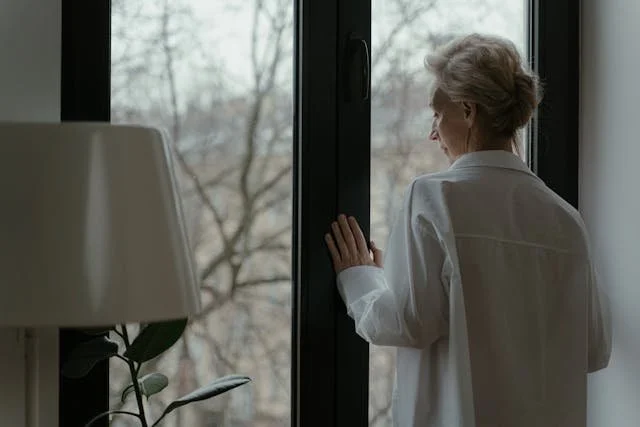
My role as a life coach means I work with many women in different situations, but the one I work with most often is the feeling of being stuck or lacking direction, especially through the mid-life years.
Now this is something I have had experience with. My coaching practice began as a result of me feeling stuck in the life I was living and wanting more purpose, passion and happiness.
Feeling stuck, restless, or facing the quiet solitude of an empty nest can bring up many emotions and a profound sense of uncertainty and loss.
These emotions are valid and common among midlife women who are trying to live their lives while significant changes are happening all around.
This is where holistic coaching becomes such a valuable tool, as holistic life coaching offers a compassionate approach to help you reconnect with your inner self, uncover new passions, and gain clarity about your next chapter.
When we address the mind, body, and spirit as one whole interconnected entity, you can reclaim your purpose and build a fulfilling, authentic life tailored to your evolving dreams and goals.

17 Powerful Positive Self-Talking Tips and Examples
Positive self-talk is the inner dialogue that uplifts, supports, and encourages you rather than criticises or doubts.
It's the voice that says, “I can handle this,” even when you're feeling unsure. Instead of focusing on limitations, it helps you see possibilities and build resilience.
Positive self-talk doesn’t ignore difficulties—it reframes them. Positive self-talk has been shown to improve psychological well-being, reduce stress, and even boost immunity.
A simple example would be shifting from “I’m terrible at this” to “I’m learning and improving every day.”

10 Ideas: How to do SWOT Analysis About Myself
There are many coaching tools available to help you make better decisions, reach goals, feel more fulfilled and have a richer and more purposeful life. One of the main tools I use with my clients during coaching sessions is a SWOT tool. This tool analysis is a simple, yet highly effective way of reaching the answers you want from your life.
A SWOT analysis is a structured way to evaluate your Strengths, Weaknesses, Opportunities, and Threats. It can help you become self-aware and create a roadmap for personal growth.
By identifying your key strengths, you can maximize them to achieve success, while recognizing weaknesses helps you work on self-improvement.
Opportunities help you spot areas for growth, whether in your career, relationships, or mindset, while threats allow you to prepare for challenges.
One of the biggest benefits of a SWOT analysis is that it provides clarity and direction, ensuring you make informed decisions.
It is designed in a simple, easy-to-use way that gets you to fully examine the most critical areas related to a particular goal and brings valuable clarity and understanding.

17 Best Ways: How To Deal With Empty Nest Syndrome
Are you looking for ways to deal with empty nest syndrome? Is this something you are suffering from at this moment and are finding life difficult to cope with.
Do you know the symptoms of empty nest syndrome and do you have a plan in place to deal with it?
If you are saying “Yes” to these questions, you are in the right place.
Empty nest syndrome can manifest through a variety of emotional and physical symptoms. You may experience feelings of sadness, loneliness, and grief as you adjust to your children leaving home.
This transition can also lead to a sense of purposelessness, you may have dedicated a great deal of your life to rearing your children and now find yourself adrift.
You may find yourself feeling anxious or restless, struggling to fill the void left by your children's absence.
Additionally, changes in sleep patterns, appetite, and mood can occur, leading to increased irritability or lethargy.
The shift can be challenging, prompting a need for self-reflection and exploration of new interests and activities.

21 Powerful Life Purpose Coaching Questions For You
We all ask questions about the purpose of life from time to time. Whether it is the big, soul-searching questions such as “Am I on the right track?” or "What legacy do I want to leave behind?" to more everyday questions such as, "What activities make me feel most fulfilled?"
Life purpose questions are reflective inquiries that help you explore your values, passions, and goals.
By contemplating these questions, you will gain clarity on what truly matters to you and identify your path in life.
Engaging with life purpose questions encourages deeper self-awareness and can guide decision-making processes, ultimately leading to a more meaningful and intentional existence.