

Why Your Body Is Trying to Tell You Something (And How to Start Listening)
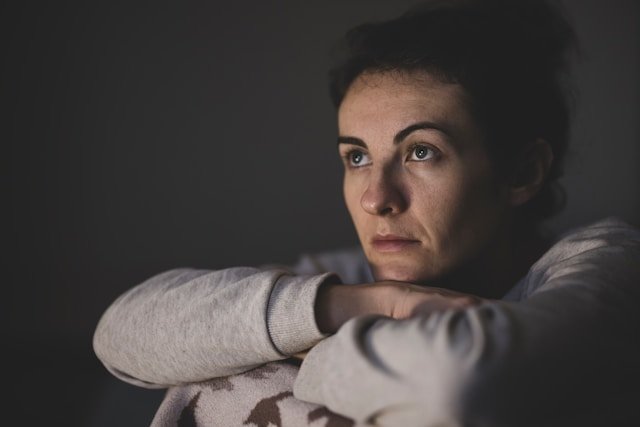
If there is one thing I can say with some confidence when it comes to women, most of us have got very good at pushing through in life. There's always something that needs doing. Someone who needs us. A reason to keep going and deal with ourselves later. We've been doing it for years, decades, some of us, and we've become so good at it that we don't even notice we're doing it anymore.
But here's what I know from working with women every day: your body doesn't care about your schedule.
It keeps score of everything you do to it, all the times you don’t sleep, the times you miss taking a moment for yourself, and at some point, it makes you understand something is wrong in many different ways.
Your body is constantly communicating through sensations, energy levels, sleep patterns, and emotional shifts; signals that point to unmet needs, stress, or areas calling for change. When your body starts talking in this way, it is time to start listening and taking action.

The Signals We've Learned to Ignore
That tension in your shoulders that just won't shift. The exhaustion that's still there even after a full night's sleep. The knot in your stomach that shows up for no obvious reason.
You write it off. Tell yourself it's just a busy patch, just stress, just life. You need to keep going. There isn't time to stop.
But these aren't just the by-products of a busy life. They're signals. Your body's way of telling you that something needs attention, and that it's been waiting a while.
The problem is that most of us have spent so long overriding these signals that we've stopped recognising them for what they are. We've normalised the tension. We've accepted the exhaustion as part of the deal. We've learned to function at a level of depletion that would have alarmed an earlier version of ourselves. We stop listening, push on through, and we just call this coping.
Why We Override Ourselves

This isn't a character flaw. It isn't a weakness. It isn't laziness. The women I work with are capable, intelligent, often high-achieving people who have simply spent years putting themselves at the bottom of the list. It becomes so habitual that it stops feeling like a choice; it just becomes how things are.
There's always a good reason. The children need you. Your partner needs you. Your ageing parents need you. Your friends need you. Work needs you. The house needs you. And somewhere in the middle of all of that, you disappear; there’s no time or energy left for you.
By the time many women come to coaching, they're not just exhausted. They're disconnected, and they have forgotten the woman they used to be, the one before life took over.
From their own needs, their own instincts, sometimes from any real sense of who they are outside of everything they do for everyone else.
That disconnection has a cost. And it shows up physically, emotionally and spiritually, often all three at once.
The Mind, Body and Spirit Are Not Separate
This is something I come back to again and again in my work, because it matters more than most people realise. When we chronically override our physical signals, we don't just store up physical problems. We store up emotional ones, too. We become less able to hear ourselves.
Less able to trust our own judgement. More likely to keep making decisions from a place of depletion rather than clarity.
We get stuck. Not because we lack ability or ambition or intelligence. But because we've been running on empty for so long that we've lost touch with what we actually need, want or feel.
What affects the body affects the mind. What affects the mind affects how we see ourselves, our lives, and our choices. The three are not separate systems that can be treated independently. They are connected — always — and when one is struggling, the others feel it.
What Happens When We Keep Ignoring It
I want to be honest about this, because I think it's important. The longer we ignore what our bodies are trying to tell us, the louder those signals eventually have to become. A persistent knot in the stomach becomes anxiety that starts to affect daily life. The exhaustion that sleep doesn't fix becomes a heaviness that makes getting out of bed feel genuinely hard. The shoulder tension that we've carried for years becomes chronic pain that starts to limit us physically.

The body will be heard. The only question is whether we choose to listen early, when the signals are manageable, and the changes required are relatively small, or whether we wait until things get loud enough that we don't have a choice.
Most women I work with wish they'd started listening sooner. Not because they were wrong to have prioritised others, many of those demands were real and valid.
But because they didn't realise that taking care of themselves wasn't a luxury. It was the thing that made everything else sustainable.
How to Start Listening — Today
You don't need a retreat. You don't need a week off work. You don't need to overhaul your entire life to begin shifting this. You just need to start paying attention. Start listening to what your body is saying and start to introduce some simple changes
Here's something I use in my own practice and share with the women I work with:
Once a day, take three slow breaths. Then ask yourself one question: where am I holding tension right now?
Don't try to fix it. Don't analyse it. Don't tell yourself you shouldn't feel it. Just notice it. That's it. That moment of actually checking in with yourself, without brushing it off or moving straight on to the next thing, is where everything begins. It sounds too simple to make a difference. It really isn't.
Five Signs Your Body Is Trying to Get Your Attention
If you're not sure whether this applies to you, here are some of the most common signals I hear from women before they start coaching:
1. You're tired but can't switch off. You're exhausted during the day, but then lie awake at night with your mind running. This is a sign your nervous system is working overtime to process what you haven't given yourself space to feel during waking hours.
2. Your patience runs out faster than it used to. You snap at people you love over small things. You feel irritated by situations that wouldn't have bothered you before. Your tolerance for everyday friction has dropped significantly.
3. You feel vaguely anxious but can't explain why. There's a background hum of unease that you can't quite locate. It doesn't have a specific cause. It's just there, most of the time, underneath everything.
4. You've stopped enjoying things you used to look forward to, activities or people that used to feel energising now feel like effort. You find yourself going through the motions without any real sense of pleasure or presence.
5. You feel disconnected from yourself. You're functioning, getting through the days, ticking things off, but you feel like you're watching your own life from a slight distance. You're not sure who you are outside of what you do for other people.
If you recognise yourself in any of these, this isn't something to push through. It's something to pay attention to.
The Question I Ask Every Woman I Work With

At the start of coaching, I ask every client the same question:
When did you last do something — just for you — without feeling guilty about it?
The answers are telling. Many women struggle to remember. Some can't think of a single recent example. Others can think of something, but immediately follow it with a reason why it didn't really count, or why they felt they shouldn't have done it.
We have become so conditioned to measure our worth by what we produce and who we care for that doing something just for ourselves feels selfish.
Even when we're running on empty. Even when we can feel the cost in our bodies.
This is what I work with. Not just the practical stuff, the goals, the plans, the decisions. But the deeper pattern underneath: the belief that your needs are less important than everyone else's, and what it costs you to keep living that way.
You Don't Have to Wait Until Things Get Loud
A lot of the women I work with arrive thinking they've left it too long. That they should have sorted this out years ago. That somehow the window for change has passed.
It hasn't. But the longer we ignore what our bodies are telling us, the louder those signals have to become before we listen. You don't have to wait for that point.
If you've read this far, something in this has probably landed with you. That recognition, that quiet "yes, that's me", is worth paying attention to. It's your body and your instincts telling you that something needs to change. The first step doesn't have to be big. It just has to be honest.
Frequently Asked Questions
Why does my body hold tension even when I'm not consciously stressed?
Your body stores emotional and psychological stress even when your conscious mind has moved on. The nervous system doesn't distinguish between physical and emotional threat; it responds to both. Tension in the shoulders, jaw or stomach is often your body carrying what your mind hasn't had space to process. It's not imaginary, and it's not a weakness. It's your system doing its best to cope.
Is it normal to feel exhausted all the time in midlife?
It's common, but that doesn't mean it's something you simply have to accept. Persistent exhaustion in midlife is often a combination of hormonal changes, years of prioritising others, and a nervous system that has been running on overdrive for too long. It's worth taking seriously rather than pushing through.
What's the difference between stress and burnout?
Stress generally has a cause you can identify, such as a deadline, a difficult situation, or a period of pressure. Burnout is what happens when stress becomes chronic and unrelenting without adequate recovery. With burnout, the exhaustion doesn't lift when the stressor is removed. You feel depleted at a deeper level, often accompanied by emotional detachment and a loss of motivation for things that used to matter to you.
Can life coaching help with physical symptoms like tension and exhaustion?
Coaching works on the whole person, mind, body and spirit, rather than treating symptoms in isolation. Many women find that as they begin to understand and address the emotional and psychological patterns driving their stress, the physical symptoms start to shift too. Coaching isn't a medical treatment, but the connection between emotional well-being and physical health is well established.
How do I know if I need coaching or therapy?
Therapy is generally the right choice if you are dealing with trauma, clinical depression, anxiety disorders or mental health conditions that need professional clinical support. Coaching is the right choice if you are functioning but feeling stuck, disconnected, unfulfilled or uncertain about what you want next. Many women find they benefit from both at different points. If you're unsure, a free discovery call is a good place to start. We can talk through what you need, and I'll always be honest if I think something else would serve you better.
What happens on a discovery call?

It's a free, no-pressure 20-minute conversation. I'll ask you a bit about where you are right now and what's feeling difficult.
You'll get a sense of how I work and whether it feels like the right fit. There's no obligation to book anything.
Most women tell me they feel clearer after that 20 minutes than they have in a long time, simply because they've had space to talk honestly about how they're really feeling.
Ready to Start?
If this has resonated with you and you're wondering what the next step might look like, I offer a free 20-minute discovery call.
There's no pressure and no obligation, just a conversation about where you are and whether coaching might be the right fit for you.
Most women tell me they feel clearer after that 20 minutes than they have in months. Not because I have all the answers, but because having space to think out loud, with someone who is genuinely listening, is something most of us rarely give ourselves.
Book your free discovery call here
Or if you'd like to find out more about how coaching works first, you can read about my approach at lifecoachingforwomen.co.uk.
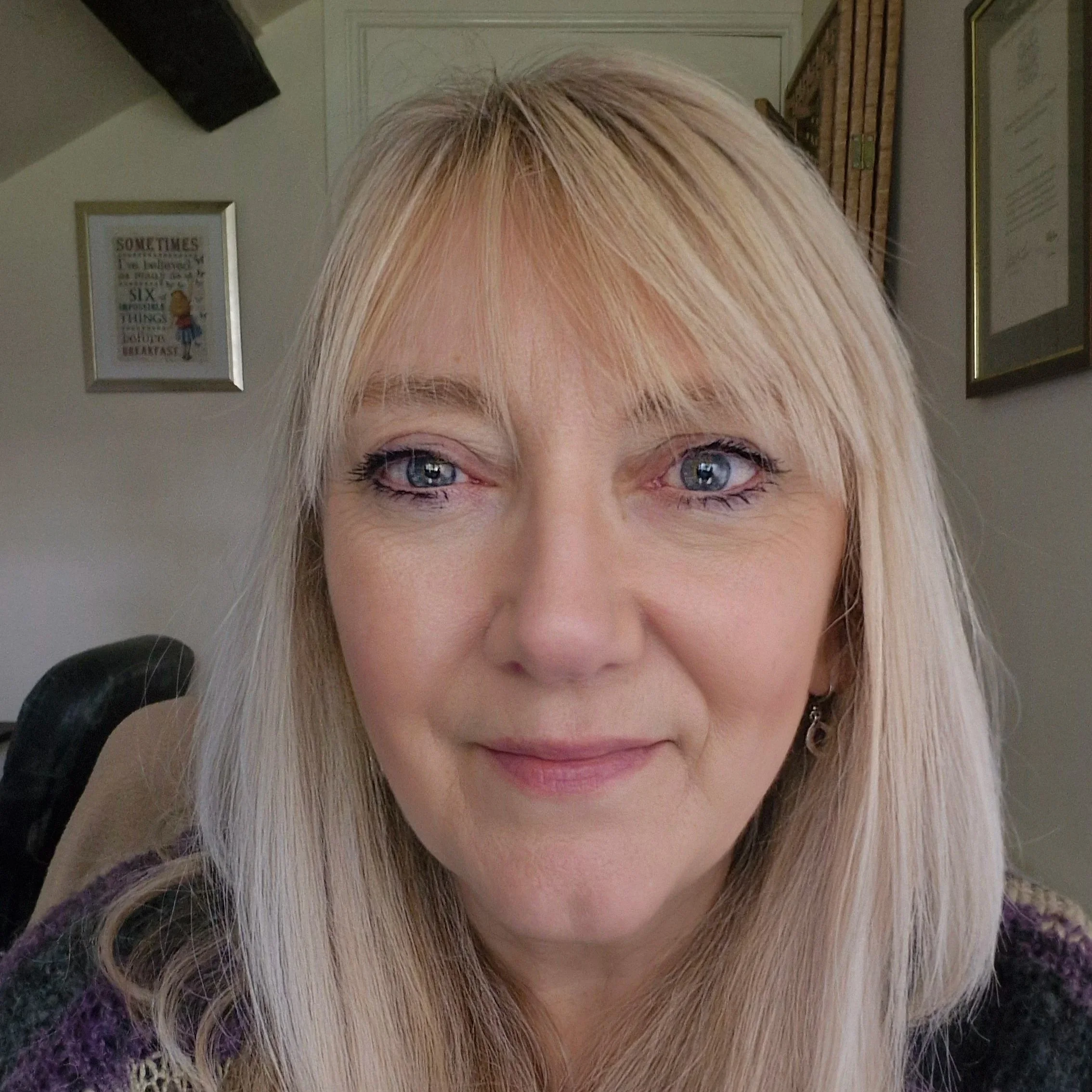
Sharon Crossett is an accredited life coach working with women who feel stuck, unmotivated or ready for change. She works online via Zoom with clients across the UK and beyond.
You might also like:
Feeling Lost in Your 50s — 15 Easy Ways to Find Your Purpose Again
Why You Feel Stuck Even When Your Life Looks Fine on the Outside
If you have enjoyed reading this blog post, please comment and share below.
