

Burnout in Midlife Women: The Signs You Might Not Recognise and How to Recover
Burnout is something most of us are very aware of in today’s modern world; life is so fast, there is so much going on, and we feel such tremendous pressure from all sides that it is no surprise that burnout is becoming more and more common among women.
But most of the women who come to me exhausted don’t use the word burnout. They tell me they’re tired all the time, that they’ve lost their spark, or that they used to cope with far more than this and can’t understand why everything now feels like such an effort. Some put it down to getting older, and others assume it’s something they ought to be able to push through if they tried a bit harder.
More often than not, what they’re describing is burnout, and it’s far more common in midlife than most people realise. I know how hard this is to put into words. In my late forties, I felt lost myself, and I remember how difficult it was to explain to anyone, including myself, what was actually wrong. Nothing had fallen apart, yet everything felt harder than it should.
Day-to-day routines, focusing on tasks and sometimes just getting through the day, can put an enormous strain on your well-being, and trying to mask how you are feeling to everyone around you can place a huge strain on your mental and physical well-being.
If this sounds familiar, this post is for you, whether or not you’d ever call what you’re feeling burnout
What burnout actually is

Burnout is a state of physical, emotional, and mental exhaustion caused by prolonged stress.
It typically develops gradually and includes symptoms such as chronic fatigue, cynicism or detachment from responsibilities, reduced performance and motivation, and a sense of inefficacy or helplessness.
Burnout can also disrupt sleep patterns and cause irritability, headaches, and increased susceptibility to illness
Although their definition relates to work, generally in life there are far more pressures that can result in burnout, such as family, caring for other people, running a home, financial pressure, illness and the mental load of keeping it all going.
Burnout isn’t a sign that you’ve failed or that you’re not coping well enough. It’s what happens when you’ve been giving out more than you’ve been taking in for a long time.
The signs of burnout in midlife women
You don’t suddenly wake up one day suffering from burnout. The symptoms will tend to build slowly, so you aren’t aware until everything becomes too much. Women will generally keep pushing on until they get to the breaking point. This is something I have seen so many times in coaching sessions, and I tend to see the same signs over and over again, such as;
• Tiredness that a good night’s sleep or a weekend off doesn’t fix.
• Losing confidence in things you used to do without a second thought, at work or at home.
• Feeling flat, detached or as though you’re just getting through each day.
• A short fuse with the people you love, followed by guilt for snapping.
• Brain fog, forgetfulness and finding decisions harder than they used to be.
• Physical signs such as tension headaches, aches, poor sleep or picking up every cold going.
• Pulling back from friends and the things you used to enjoy, because you have nothing left to give.
• A sense that everyone else’s needs come first and you’ve slipped off your own list altogether.
You might recognise one or two of these, or most of them. Either way, they’re worth paying attention to because once they are in your life, you will need to start making changes to prevent burnout from becoming a far more serious issue.
Why burnout is so common in midlife
Burnout seems to be on the rise in midlife, and there are many reasons for that. Often it is assumed that life gets easier with more money, technology and perceived free time than many people used to have.
But this isn’t always the case, and burnout can affect anyone regardless of income bracket or lifestyle.
Midlife often brings more responsibility at once than any other stage of life. Many women are supporting teenagers or adult children while also looking after ageing parents, often while holding down a demanding job at the peak of their career.
On top of that, the hormonal changes of perimenopause and menopause can affect sleep, mood and energy, which makes everything else harder to manage.
There’s also the weight of years spent being the one who holds everything together; working, rearing family, running a home and being the go-to person for everyone else.
Many of the women I work with have been the organiser, the carer and the person everyone turns to for so long that they’ve stopped noticing how much they do.
Midlife is also when bigger questions about who you are and what you want start to surface, and trying to answer those while running on empty is exhausting in itself.
Is it burnout, menopause or something else?
When women come to me for coaching, they often confuse burnout with perimenopause or menopause, as many of the signs of burnout overlap. There are also other medical conditions such as thyroid problems, anaemia and depression that can mimic signs of burnout, so it’s worth booking an appointment with your GP to rule out anything physical, particularly if your symptoms have come on suddenly or are getting worse.
Coaching works well alongside medical support, but it isn’t a replacement for it. If you’re feeling low or hopeless most days, please speak to your GP
How to start recovering from burnout
There is no magic fix for burnout; what is required is making lifestyle changes that are going to be long-lasting.
Neither is it about adding another regimen to your week. It’s about taking some of the weight off and giving your mind and body the chance to recover.
These are the places I start with clients.
Write down everything you’re carrying
For one week, note down everything you do and everything you’re keeping track of, including the invisible work such as remembering birthdays, managing other people’s moods and keeping on top of appointments.
Most women are shocked by the length of the list, and seeing it in black and white makes it far easier to decide what can change.
Look after your body as well as your diary.
Burnout lives in the body as much as in your thoughts.
Short pauses through the day make a real difference, whether that’s a few slow breaths where you breathe out for longer than you breathe in, a ten-minute walk outside, or simply noticing where you’re holding tension and letting your shoulders drop. Mindfulness is an excellent practice for burnout, and my Mindfulness course can be very beneficial in learning to slow down and be present in your life.
Adopting these small habits helps your nervous system to settle, and it’s very hard to think clearly until it does.
Stop trying to fix it with more effort.
The instinct for most capable women is to work harder at feeling better, with a new routine, an early start or a stricter plan. When you’re burnt out, that usually makes things worse. Recovery comes from doing less for a while, not more. Start to listen to your body; rest when you need to, and remember you can’t function and help everyone else until you have started to look after yourself.
Change one boundary.
If you are the sort of person who feels the need to say “Yes” to everyone, then this could be your most important tip. Learn to say “No” no matter how difficult or uncomfortable it seems. Try this small practice. Pick one thing to say no to, hand over or stop doing this week. It doesn’t need to be big, and starting small makes it far more likely that you’ll stick with it. Each boundary you hold frees up a little more energy for the next.
Protect the basics
Sleep, regular meals and time outdoors aren’t luxuries when you’re burnt out. They’re the foundations everything else rests on, and they’re usually the first things to go when life gets busy.

Take a look at your day and see where you can start implementing small but valuable changes. A 10-minute walk at lunchtime, a cup of tea in the morning in solitude, turning off your phone at 9.00 pm- small changes that can build real and lasting change.
Rebuilding your confidence after burnout
Do you feel that as you have ages, your confidence has started to drop? This is something else I see in coaching sessions.
Burnout almost always takes a toll on confidence. You can begin to feel that you are letting people down, that you are messing things up or that other people are judging you, especially in work situations.
When you’ve been struggling for a while, it’s easy to start believing that you’re not as capable as you used to be, when the truth is that you’ve been running on empty.
Confidence comes back through evidence, so set yourself small, achievable tasks and finish them.
Each one is a reminder that you can still do what you set out to do. If your confidence has taken a knock, my post on why confidence drops in midlife and how to rebuild it goes into this in more detail.
How coaching can help with burnout
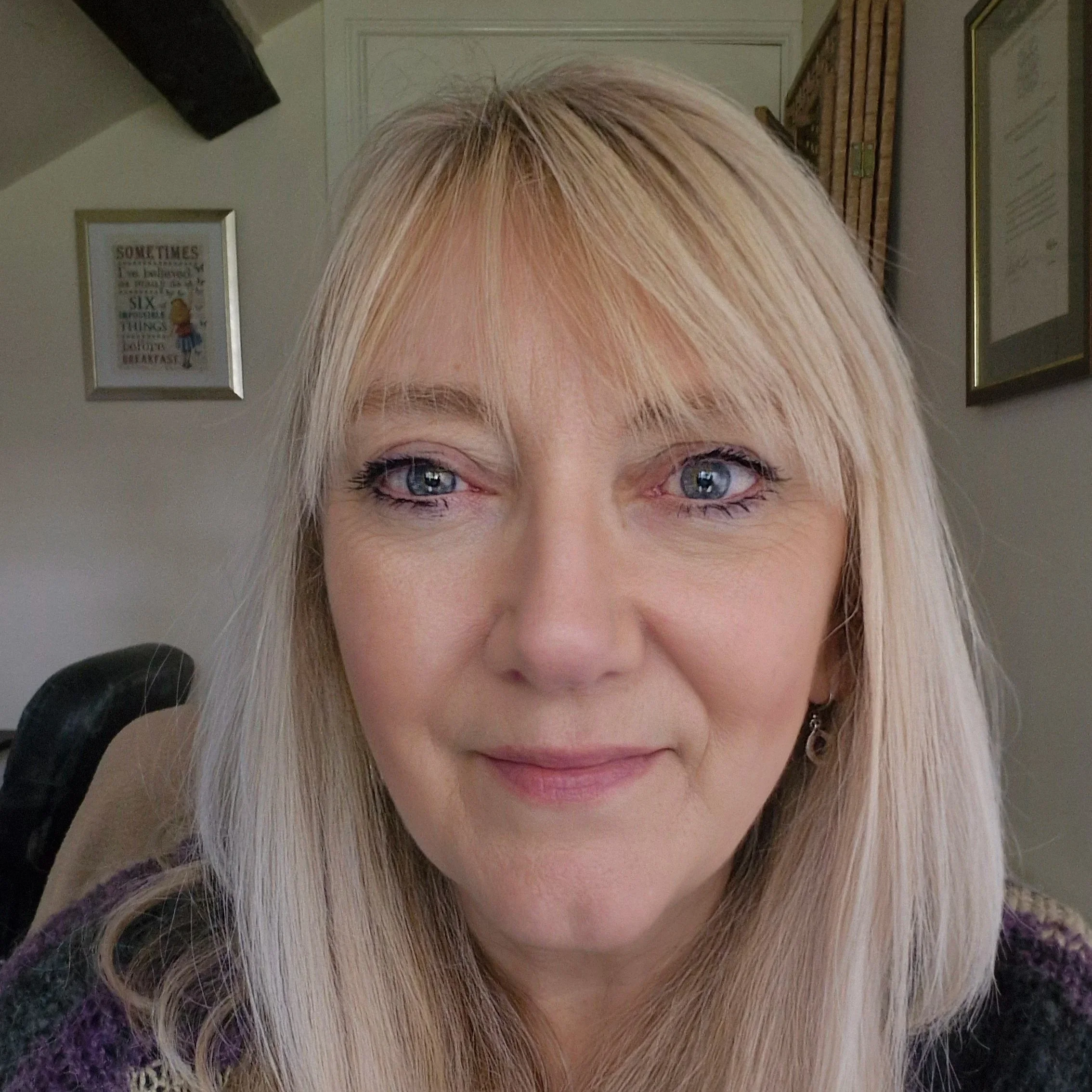
I’m Sharon Crossett, and through Life Coaching for Women, I work with midlife women who are exhausted, have lost confidence, or know something needs to change but can't say what.
I have been in your opsitiona nd understan only too well how burnout can affect how you feel. Sometimes the place to start is having someone who will support you and offer the accountability and direction that you need.
I offer 1-2-1 coaching for women who feel stuck and worn down, face-to-face in Wrexham or online via Zoom across the UK.
Together we work out what’s been draining you, what needs to change and how to make those changes in a way that fits your life.
I work with both mind and body, drawing on psychology, CBT, NLP, mindfulness and somatic techniques.
After every session, you receive a worksheet written for you, so you have something practical to work with in between.
The first step is a free 20-minute discovery call, where we talk through what’s going on and whether coaching with me is right for you.
Common questions about burnout in midlife
How long does it take to recover from burnout?
It varies from person to person. Some women start to feel a difference within a few weeks of making changes, while for others recovery takes several months. It depends on how long you’ve been running on empty and how much of the pressure can be changed.
Is burnout the same as depression?
No, although they can overlap and share some of the same signs. Burnout is linked to long-term stress and usually eases as the pressure reduces and you recover, whereas depression affects every part of life. If you’re unsure, or you’re feeling low most days, speak to your GP.
Can you have burnout if you don’t work?
The official definition relates to work, but caring for family, running a home and supporting other people can lead to exactly the same pattern of exhaustion, detachment and loss of confidence. What matters is how much you’re carrying, not whether you’re paid for it.
